

China is the world's largest consumer of electrical and electronic products, with over 3 billion household appliances such as refrigerators, washing machines, and air conditioners. With the rapid development of technology and the increasing demand from consumers, the number of discarded electrical and electronic products has been rising year by year. In order to establish a more standardized and scientific system for the recycling of waste electrical and electronic products, and further promote the steady development of the circular economy, the State Administration for Market Regulation and the National Standardization Administration have issued GB/T 45070-2024 "Regulations for the Recycling of Waste Electrical and Electronic Products". This standard will officially come into effect on June 1, 2025, providing clear operational guidelines and regulatory standards for the recycling industry of waste electrical and electronic products, and helping the industry achieve high-quality and sustainable development in the renewable resources industry driven by new quality productivity.
Developing standards and regulations for the development of the recycling industry
In recent years, the consumption of electrical and electronic products has continued to rise, accompanied by a significant increase in the number of discarded electrical and electronic products. Especially since the implementation of the trade in policy in 2024, the amount of recycled waste household appliances has significantly increased. According to data from the Ministry of Commerce, as of December 19, 2024, over 33.3 million consumers have purchased over 52.1 million units of related home appliances for trade in products. At the same time, the amount of recycled waste household appliances has also skyrocketed. From January to November 2024, the national recycling volume of waste household appliances was 616000 tons, a year-on-year increase of 7.7%.
Although China continues to make efforts in the field of recycling discarded electrical and electronic products, there are still shortcomings in the construction of the recycling system that need to be further improved. Currently, a large amount of electronic waste is not properly disposed of through formal channels, but rather flows into the second-hand market through informal channels or is dismantled at will. This disorderly processing method has significant drawbacks. On the one hand, it causes great waste of resources, and many valuable components and raw materials have not been effectively recycled; On the other hand, it has triggered a series of severe environmental problems, such as heavy metal pollution and soil degradation, which have caused incalculable damage to the ecological environment.
In such a large environment, relying solely on existing policies such as the "Regulations on the Management of Recycling and Disposal of Waste Electrical and Electronic Products" is no longer sufficient to meet the complex and ever-changing demands of recycling management. Therefore, the All China Federation of Supply and Marketing Cooperatives proposed to formulate the "Regulations for the Recycling of Waste Electrical and Electronic Products". This standard aims to fill the gap in the recycling process of the existing system by refining technical requirements, clarifying responsible parties, and standardizing operational procedures, providing unified technical guidance for the industry.
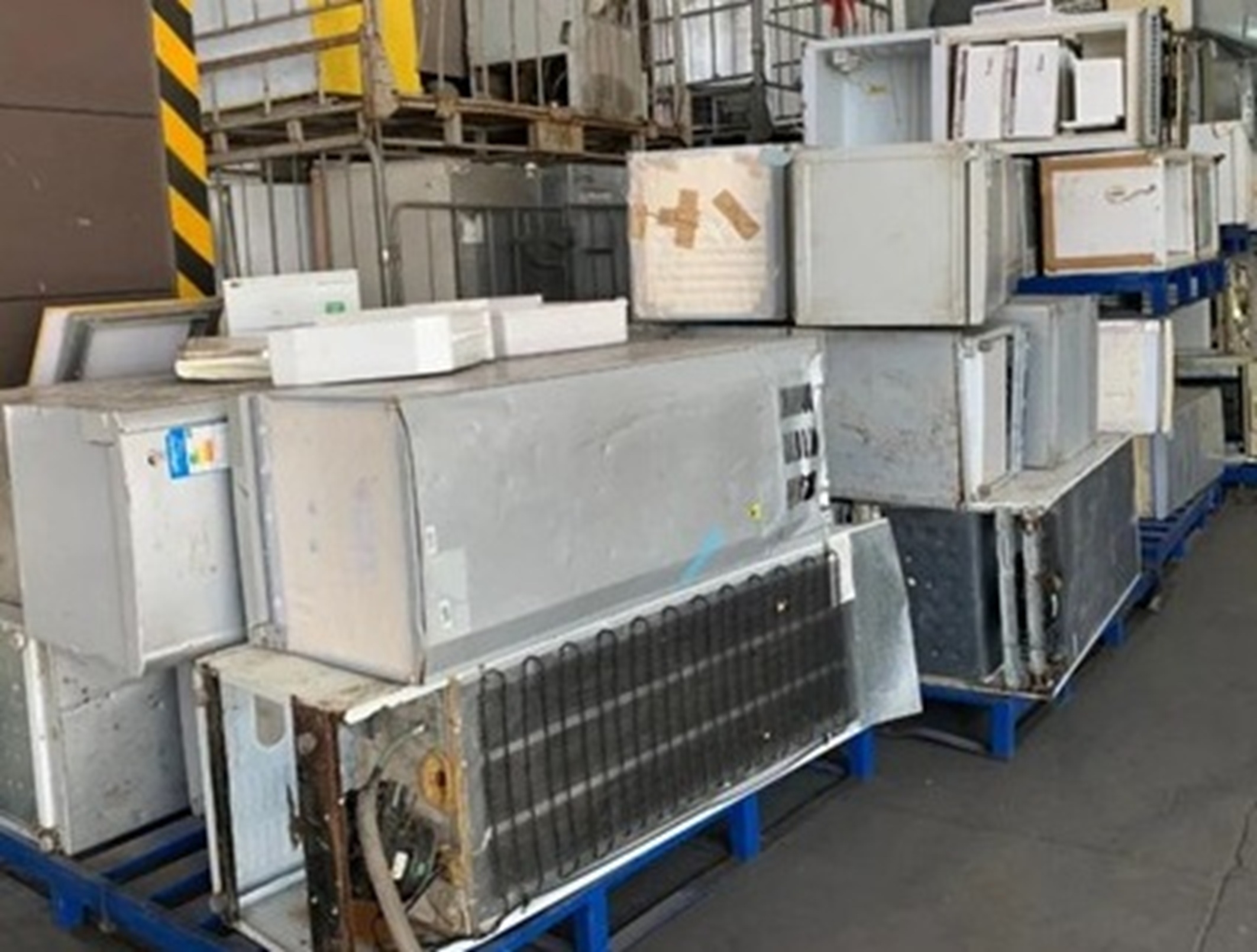
Clearly define multiple technical requirements
The "Regulations for the Recycling of Waste Electrical and Electronic Products" stipulate the basic requirements, recycling requirements, information management, safety production, and environmental protection requirements for the recycling of waste electrical and electronic products. This standard is applicable to the recycling of waste electrical and electronic products included in the "Catalogue of Waste Electrical and Electronic Products Processing", including refrigerators, air conditioners, range hoods, washing machines, electric water heaters, gas water heaters, televisions, printers, copiers, fax machines, monitors, microcomputers, mobile communication handheld devices, and telephone stands. The recycling of other waste electrical and electronic products shall be carried out in accordance with this standard.
This standard specifies the definition of terms for discarded electrical and electronic products, including all components, elements, etc. that make up the product.
At the same time, the standard specifies general requirements, personnel requirements, site requirements, equipment and facility requirements, recycling requirements, information management, safety production requirements, and environmental protection requirements.
In terms of general requirements, the "Guidelines for the Recycling of Waste Electrical and Electronic Products" emphasize that scrapped electrical and electronic products should be dismantled by certified enterprises and should not be dismantled or disassembled without authorization; It is advisable to establish a management system for the recycling of waste electrical and electronic products.
In terms of recycling requirements, the standard proposes that recycling operators should establish convenient and fast collection channels for waste electrical and electronic products, including but not limited to: enterprises' old for new outlets, door-to-door recycling, after-sales service repair recycling points, community recycling points, Internet plus+recycling, public institutions recycling, and production enterprises recycling.
At the same time, the standard also states that a classification record of waste electrical and electronic products should be established, which includes information such as product category, quantity, source, and destination.
The "Regulations for the Recycling of Waste Electrical and Electronic Products" also make requirements for information management. Recycling operators should establish a traceability system to record the entire process of source, loading and unloading, transportation, and storage of waste electrical and electronic products, ensuring product traceability; Recycling operators should provide traceability codes for each batch of discarded electrical and electronic products; The retention period of information traceability system records should not be less than 3 years.
Currently, it is an important milestone for China's management of waste electrical and electronic products to shift from "extensive" to "refined". The implementation of the "Guidelines for the Recycling of Waste Electrical and Electronic Products" not only provides operational technical guidance for the industry, regulates the development of the recycling industry, but also deeply integrates environmental protection, resource conservation, and economic development through institutional design, and helps promote sustainable development.
At present, China's management of waste electrical and electronic products is at a critical turning point from "extensive" to "refined". The formal implementation of the "Regulations for the Recycling of Waste Electrical and Electronic Products" is of great significance. It provides technical guidance for the recycling industry, guiding it to abandon the previous disorder and chaos and gradually move towards a standardized and regulated development path. At the same time, through continuous regulation of the recycling industry, the potential value of waste products can be excavated and transformed into new economic growth points, injecting strong impetus into sustainable development.