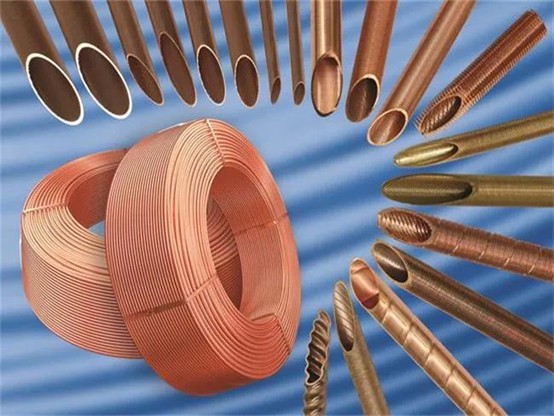
In the global commodity market in 2025, copper will be the focus of record breaking gains. In December, the London Metal Exchange (LME) copper futures reached a historical peak of $11705/ton, and the main copper contract in Shanghai approached $93000/ton, with a year-on-year increase of over 30%. The rise in copper prices this time is influenced by multiple factors.
The 'hard gap' on the supply side is the core driving force. Mining accidents occur frequently in major producing countries such as the Democratic Republic of Congo and Chile, and the shutdown of Grasberg copper mine in Indonesia exacerbates production capacity losses. Due to insufficient investment in the mining industry and a decline in ore grade, global copper production will slightly decrease by 0.12% in 2025. According to data from the International Copper Research Organization, the annual supply-demand gap will exceed 150000 tons and may expand to 300000 tons by 2026.
The outbreak on the demand side exacerbates the imbalance. The copper consumption of new energy vehicles per vehicle is 4-6 times that of fuel vehicles, and the expected global sales of 40 million vehicles will drive demand of over 1 million tons; The global demand for copper corresponding to the newly installed wind and solar power capacity exceeds 3 million tons. The AI wave has opened up new space, with AI servers using 30% more copper and global data center copper demand exceeding 500000 tons.
Geopolitical policies and capital serve as accelerators for price increases. The United States has imposed a 50% tariff on semi-finished copper products, triggering an emergency shipment of 500000 tons of copper to the United States, and LME available inventory has plummeted to less than one day's global usage. The expectation of the Federal Reserve cutting interest rates has driven the US dollar to weaken, and capital inflows have further amplified the gains.
According to data from the International Energy Agency, even with high production, the global copper supply gap will still reach 20% by 2035. Goldman Sachs Group predicts that copper prices will enter a new high trading phase starting next year.